How Law Firms Scale with The Right Tech Stack

Plenty of law firms don’t consider the big picture when it comes to digital transformation.
The typical approach is to adopt one solution at a time as the firm’s needs grow. You might purchase a practice management software now and invest in a legal-specific CRM next quarter.
However, running a law firm on a fragmented software ecosystem worsens administrative drag and increases costs.
Before you shift to a fully streamlined ecosystem, you need to start with three foundational software categories for law firms:
- Customer Relationship Management (CRM)
- Document Management System (DMS)
- Voice over Internet Protocol (VoIP)
The real challenge, however, is transitioning from legacy processes into automated, software-based systems, helping you scale your firm while protecting your billable hours.
What Law Firms Should Automate and Streamline First
Let’s start with the core processes that deserve to be digitally transformed:
Lead Capture and Intake Workflows
Lead details need to flow seamlessly from your website form to your database. The same should apply whether leads come in via a phone call, paid ad click, or live chat.
This will enable you to rapidly scale your firm without requiring your intake team to double or triple their effort. From there, you can set up automated engagement workflows to connect with those leads.
Client Relationship Management (CRM)
A CRM platform like Lawmatics and HubSpot keeps every email, text, and consultation note inside one client file.
This keeps you and the rest of your staff on the same page, helping them know when to follow up, who’s demanding urgent attention, and which client needs extra care.
Document Creation and Profiling
An integrated document system provides master templates your team can use to quickly generate retainer agreements, standard discovery requests, and other types of routine legal files. Some platforms can also pull existing client information straight into the document fields, preventing human error and drafting delays.
Matter Management and Tracking
When a lead becomes an active case, the file needs a checklist of milestone deadlines assigned to it, like evidence collection, filings, document reviews, and interviews.
This structure gives your paralegal and associates clear and accessible visibility into which tasks to take on next.
Communication Routing and Call Log Tracking
The right software automatically converts online inquiries into lead pipelines without manual data entry.
Some call tracking apps also integrate with CRM solutions, enabling client profiles to pop up on screen before your team answers the call. They can also automatically track call lengths and generate transcripts, which are saved directly inside the matter file.
Document Storage and Version Control
DMS tools simplify how you organize your files, enforce uniform naming rules, and track each document’s version history. Everything is done through a centralized visual interface, improving your team’s efficiency in managing paperwork-related tasks.
Analytics and Performance Reporting
Instead of tracking and compiling data by hand, law firms can utilize live dashboards that automatically compile metrics from different sources. In addition, they can easily turn in-depth data into more readable and actionable insights.
Top CRM, DMS, and VoIP Tools for Attorneys
Choosing the right software combination provides your team with the perfect foundation to scale your firm and prepare for larger caseloads.
Here are the top tools to upgrade your firm’s software stack:
1. Clio

Clio is a comprehensive practice management platform, serving as a law firm’s central hub for active file tracking, calendar scheduling, billing, and other departments. It also integrates with other applications to help you manage different areas of your firm from one dashboard, including tools for accounting, billing, document management, and video conferencing.
Clio Key Features:
- Trust accounting integration
- Direct billing tools
- Central calendar hub
2. Lawmatics
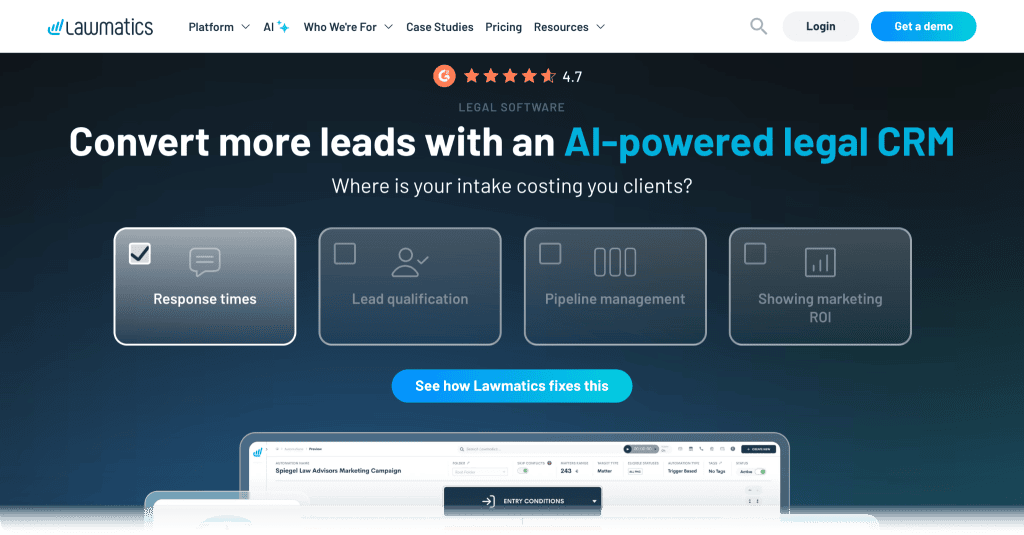
Lawmatics is an intake-focused CRM that tracks the journey of every prospective client, from their initial web inquiry to the signed retainer. It removes manual scheduling and follow-ups from your legal team’s daily routine while enabling you to create automated nurturing sequences, keeping your pipeline full without costing non-billable hours.
Lawmatics Key Features:
- Custom intake pipelines
- Follow-up sequence tracking
- E-signature delivery
3. NetDocuments
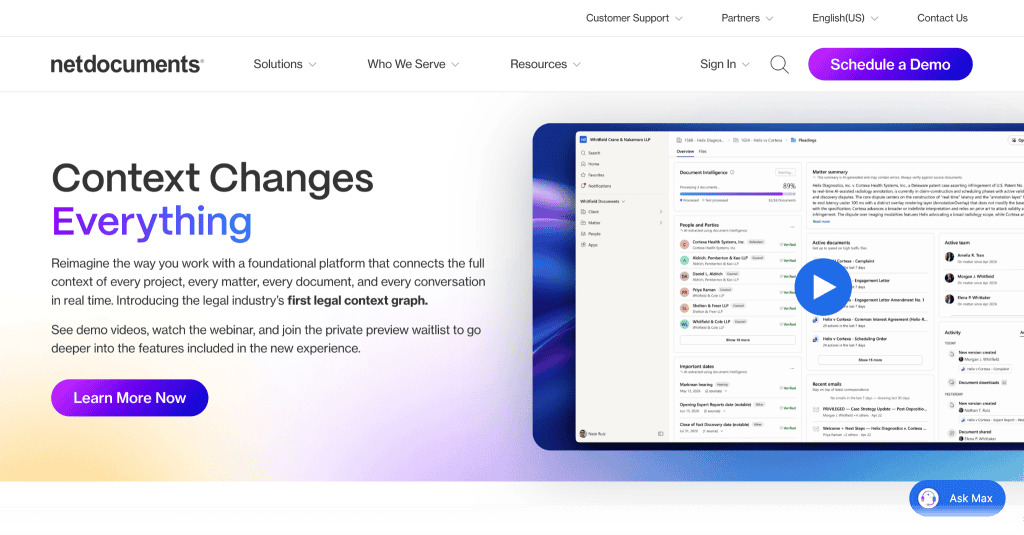
NetdDocuments saves the hours attorneys spend going through dozens of unorganized folders to look for old filings. By centralizing your research into a single, secure location, you allow your firm scale both your team and your case volumes without creating confusing data silos.
NetDocuments Key Features:
- Matter-centric workspaces
- Metadata-based file search and organization
- Cloud-native storage
4. iManage
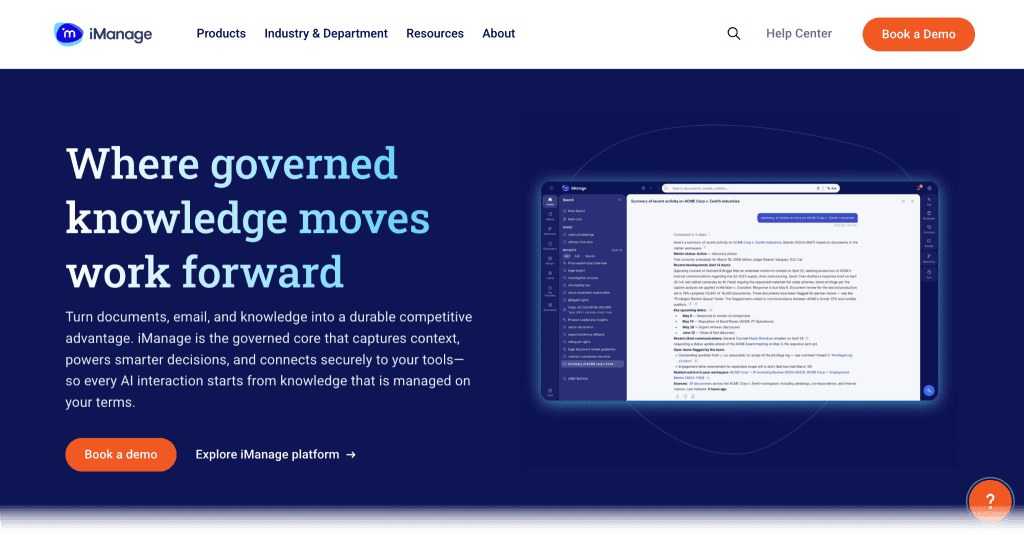
iManage is another DMS that stops your inbox from becoming a data silo by parsing information from emails and into corresponding matter files. This means your team spends less time with manual filing, preserving billable hours while creating an accessible document library.
iManage Key Features:
- Outlook email profiling
- Version control logs
- Predictive file organization
5. Vonage
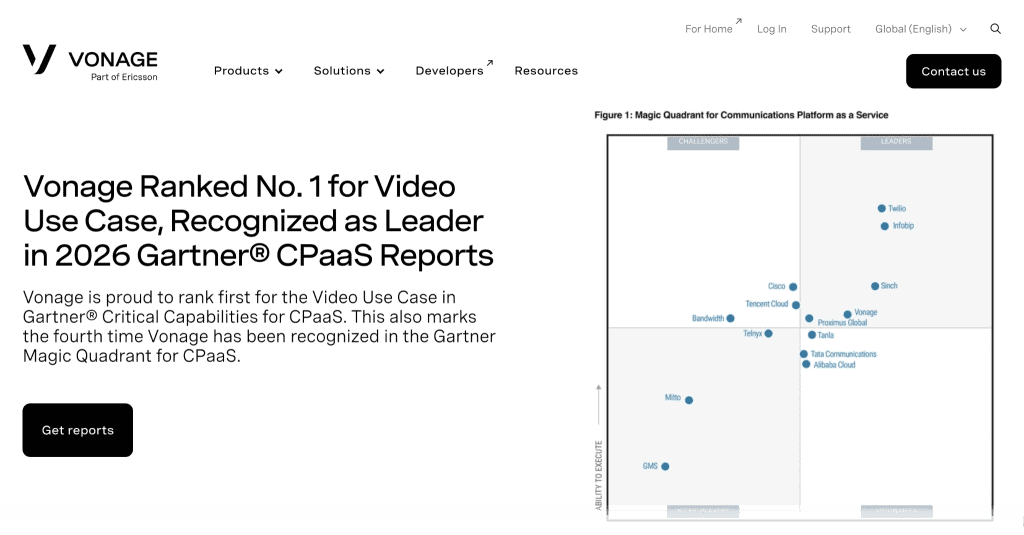
Vonage is a global conversational marketing platform that ensures your office phone lines scale effectively and effortlessly with your firm. It can automatically route calls based on a set of custom rules, ensuring your team never misses out on high-value case inquiries due to call volume and agent limitations.
Vonage Key Features:
- Mobile app routing
- Flexible call schedules and automation workflows
- Desktop software client
6. RingCentral

RingCentral is an agentic AI solution packaged as an autonomous communication hub for businesses. It allows information from chat conversations, phone calls, and video meetings to synchronize with your legal CRM.
RingCentral Key Features:
- Video meeting tools
- CRM log synchronization
- Business text messaging
7. Dialpad
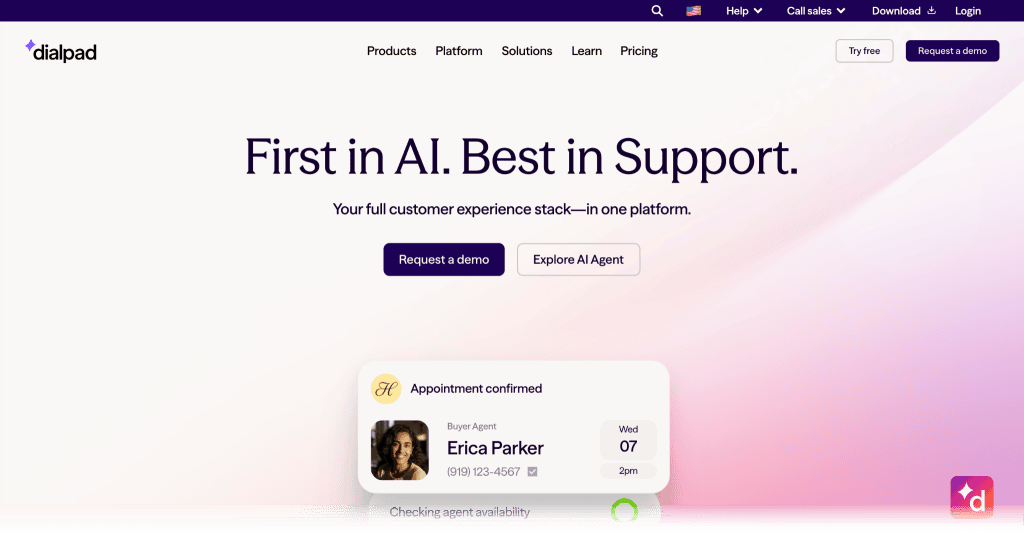
Dialpad is another agentic AI tool that prioritizes the client experience side of business phones. With the help of AI, it automatically transcribes conversations and highlights action items instantly, allowing your team to focus on building a strategy.
Dialpad Key Features:
- Live call transcription
- Keyword-based action alerts
- Cloud voice call tracking
8. Filevine
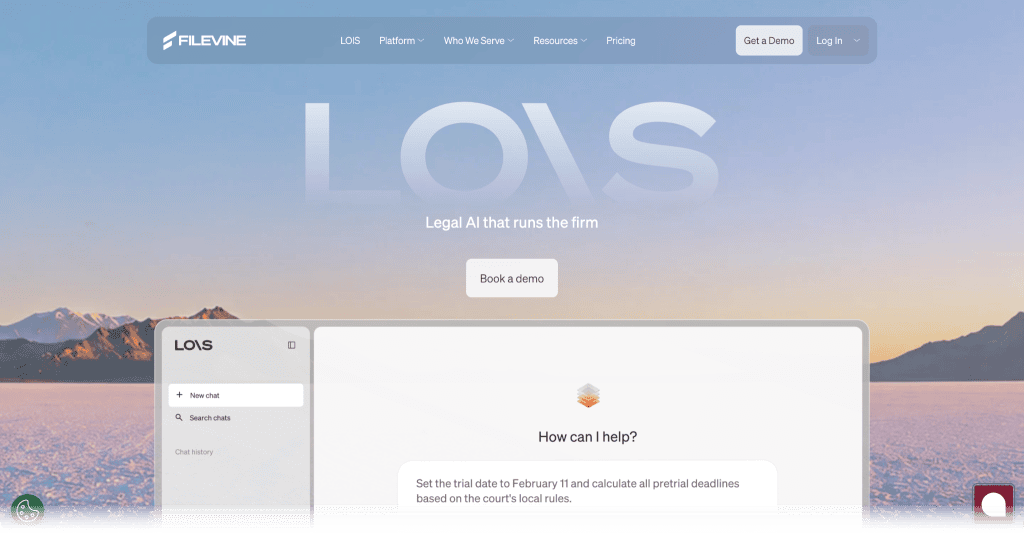
Filevine is a legal AI platform that streamlines the technical side of running a law firm, including billing, collections, contract management, and client communications. It cuts down on internal status meetings and never-ending email chains that bottleneck your pipelines.
Filevine Key Features:
- Document activity feeds
- Assignment task checklists
- In-app team comments and collaboration
9. MyCase
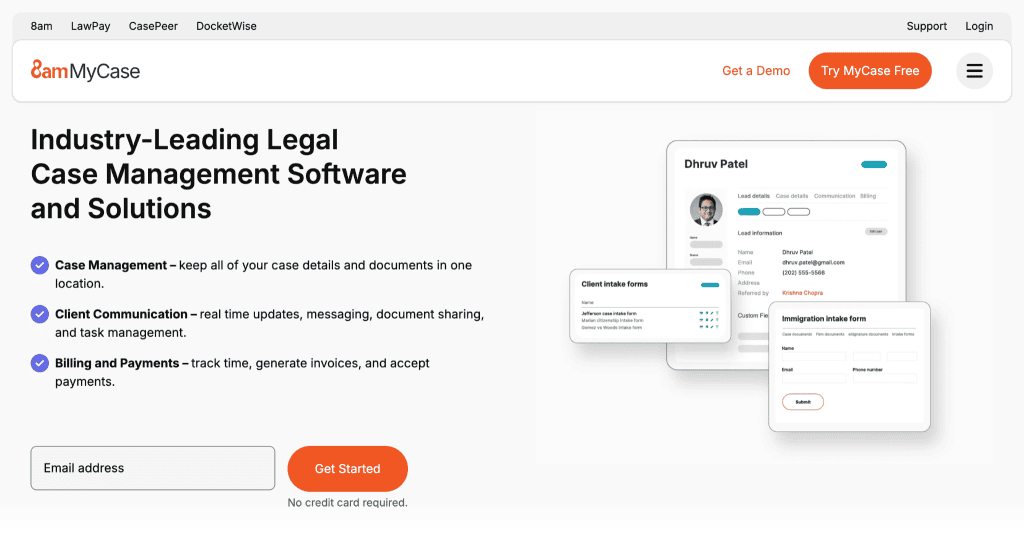
MyCase is a case management suite that streamlines your billing and collections processes. By helping you create a self-service portal for e-signatures and payments, you reduce your team’s administrative load while keeping matters moving forward.
MyCase Key Features:
- Client portal access
- Direct payment processing
- Document upload tools
10. Zapier
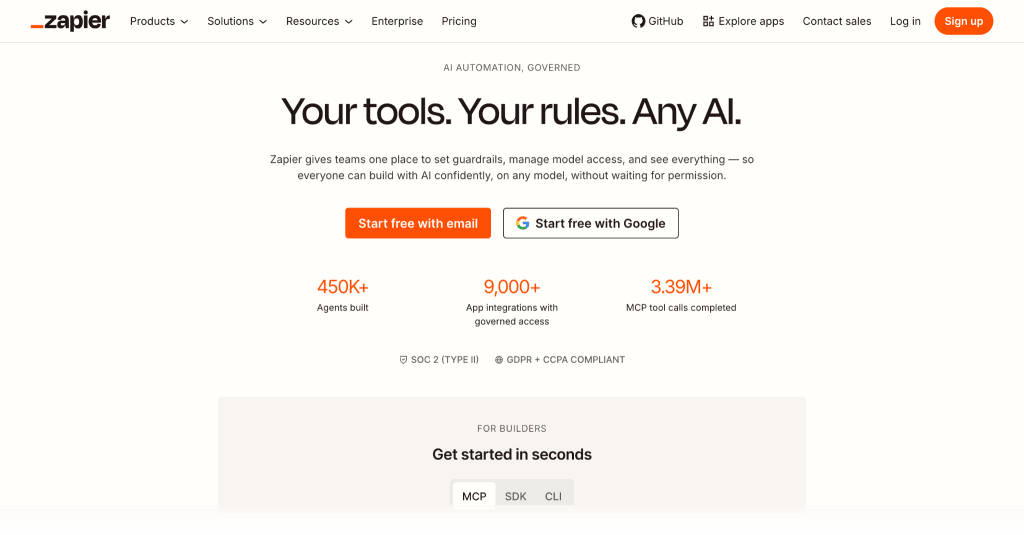
Zapier is a flexible automation builder that bridges separate software applications into one seamless workflow. As a law firm, you can use it to pass client data across your ecosystem, automate communications, synchronize scheduling, and more.
Zapier Key Features:
- Cross-app data triggers
- Multi-step workflow syncing
- Custom software bridges
Systemize Your Firm to Scale
It’s incredibly challenging to take on more cases if your staff spends half the day messing with broken software or performing repetitive tasks prone to error, like retyping client notes.
With a unified software stack, you effectively eliminate human error, reduce backend drag, and maximize the productivity of your team on more meaningful, billable work.
To get a clearer strategy for building your firm’s digital setup, ask your questions away through a free consultation here.
Related Post
-

9 Best Legal Directories for Lawyers and Law Firms
Not all online business directories are the same. If you want to increase your law firm’s online visibility and attract qualified prospects, you need to… -
How to Use Live Chat for Attorneys: The Ultimate Lead Conversion Guide
Modern legal consumers operate on a timeline of instant gratification. If an injured slip-and-fall victim or a stressed parent seeking a divorce lands on your… -
The Modern Law Firm’s Guide to Referral Marketing Automation
Let’s face it, getting quality cases referred by other lawyers and businesses is the easiest way to grow your firm. Yet, most firms run their…